In the ever-evolving landscape of global finance, the USD/JPY currency pair, where both the US dollar and the Japanese yen are seen as bastions of stability, finds itself in a delicate equilibrium, with neither currency managing to gain a decisive upper hand. This situation is especially intriguing given the conservative approach maintained by central banks and the simmering geopolitical tensions in the Middle East, setting the stage for a conflict of interest that could dramatically influence the currency markets.
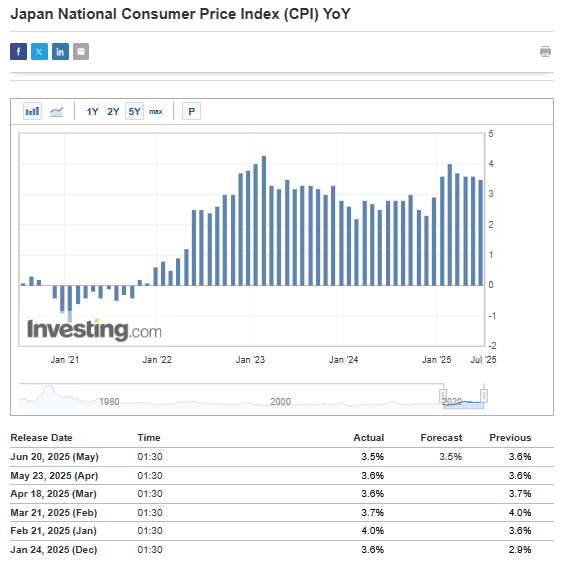
The current standoff between the US dollar and the Japanese yen underscores a period of heightened vigilance, with market participants keenly watching for any sign of change. Central to this cautious stance is the role of central banks, notably the Bank of Japan, which, despite persistent above-target inflation, chose to keep interest rates unchanged in their recent June meeting. This decision reflects deep-seated concerns regarding economic stability and the efficacy of monetary policy in the face of external uncertainties, including trade negotiations and geopolitical risks.
The Bank of Japan’s reluctance to alter its monetary stance is not wholly surprising. The institution has been grappling with inflationary pressures for a considerable duration, leaving policymakers in a quandary. A prime example of inflation’s impact is the dramatic surge in rice prices, which witnessed a yearly increase of over 100% in May. In response, the Japanese government released strategic rice reserves in an attempt to stabilize prices, though such measures offer only a temporary reprieve, shedding light on the complex challenges facing Japan’s monetary authorities.
Further complicating the economic backdrop are the ongoing trade discussions between Washington and Tokyo. Despite numerous rounds of negotiation, these talks have yet to yield significant breakthroughs, adding another layer of uncertainty to the economic forecasts and, consequently, the currency markets.
Observing the conservative monetary policies in Japan, the Bank of Japan’s strategy seems to pivot on cautious optimism. BOJ Governor Ueda hinted at the potential for interest rate hikes in the future, emphasizing the bank’s readiness to adjust policy in response to inflationary pressures. However, this stance appears more as a strategic manoeuvre rather than an immediate precursor to action, highlighted by the sustained policy of keeping interest rates unchanged despite prolonged inflation.
Across the Pacific, the Federal Reserve maintains a broadly hawkish outlook, albeit with a nuanced approach that leaves room for potential rate cuts, depending on how trade tensions and economic indicators evolve. Recent statements by figures such as Michelle Bowman and Christopher Waller hint at the complex dynamics within the Fed, showcasing the balancing act between supporting economic growth and managing inflationary pressures.
Amid these intricate monetary policy landscapes, the USD/JPY pair has tested a critical resistance zone around the 148 yen per dollar mark. Attempts to breach this threshold have been met with robust selling pressure, indicating a strong market sentiment in favour of maintaining the currency pair within the established 143-148 yen per dollar range. This technical analysis suggests a market in anticipation, with investors and traders closely monitoring potential catalysts for a breakout in either direction.
For those looking to navigate this volatile market landscape, resources like InvestingPro offer a suite of tools designed to identify emerging opportunities and minimize risks. With features such as AI-selected stock winners, fair value assessments, and an advanced stock screener, InvestingPro empowers investors to make informed decisions amidst market tumult. Moreover, insights into the investment strategies of renowned investors provide additional context, helping individuals align their portfolios with broader market trends.
In conclusion, the USD/JPY currency pair embodies the current state of liminality within the global financial markets, marked by cautious central bank policies and the ever-present shadow of geopolitical uncertainties. As such, investors and traders must remain vigilant, adapting strategies to navigate both seen and unseen risks. Leveraging tools and platforms that provide deep market insights and actionable intelligence will be crucial in staying ahead in this challenging environment.
Disclaimer: This article offers informational insights and does not advocate for any investment decisions. The volatile nature of financial assets necessitates a comprehensive evaluation from multiple perspectives. Investment decisions and risks are the sole responsibility of the investor, and this content does not provide investment advisory services.