



In the world of high finance and relentless market fluctuations, a beacon of optimism shone brightly last Thursday. The trading floors, typically bustling hubs of activity, witnessed a notable uplift in investor sentiment. This came on the heels of a promising report from the United States labor market, alleviating some of the prevailing economic apprehensions. With Wall Street taking a breather the following Friday, courtesy of the Independence Day holiday, the echoes of the previous day’s gains lingered in the air.
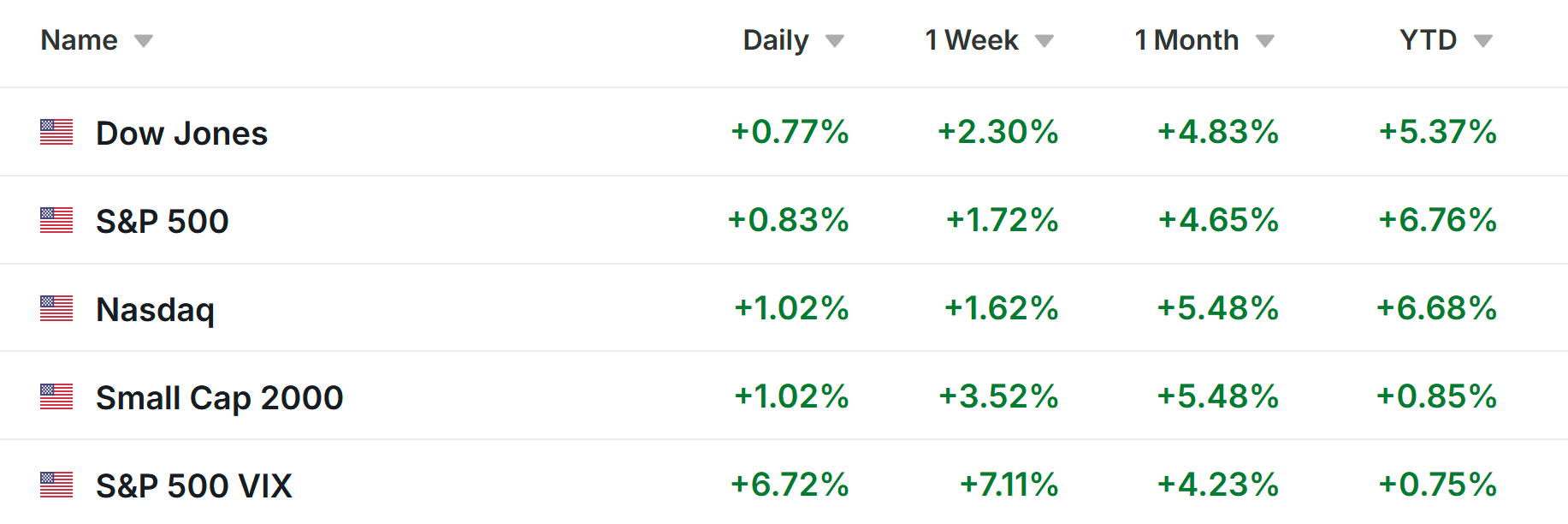
Amidst this financial landscape, the major U.S. stock market indices didn’t just edge upwards; they soared. The venerable Dow Jones Industrial Average, a composite of 30 significant stocks, witnessed an impressive surge, climbing over 2.3% to exceed 1,000 points. Meanwhile, the S&P 500, a broader reflection of the U.S. markets, ascended by 1.7%, and the tech-driven Nasdaq Composite wasn’t far behind, with a 1.6% uplift. These gains propelled the indices to unprecedented heights, marking fresh record highs and encapsulating a week’s positive momentum.
As traders and investors poised themselves for the week ahead, anticipation was in the air, with a plethora of factors at play. The impending July 9, under the stewardship of President Donald Trump, loomed large. This deadline for new tariffs stirred the financial markets, injecting a degree of uncertainty. Concurrently, eyes were set on the Federal Reserve’s June meeting minutes, a potentially illuminating document that could hint at the central bank’s interest rate trajectory.
But the markets aren’t just swayed by policy and interest rates; corporate performance plays a pivotal role too. The upcoming earnings reports from notable entities such as Delta Air Lines, Conagra Brands, and Levi Strauss awaited keen scrutiny, promising further insights into the corporate and, by extension, economic health.
In this intricate dance of numbers and forecasts, two companies stood out for contrasting reasons: Amazon and Tesla. Amazon, the e-commerce colossus, was gearing up for its 11th annual Prime Day. This event, spanning from Tuesday to Friday, promised a bounty of discounts over an array of categories, from electronics to apparel. Riding high on a wave of bullish indicators and perched near its 52-week zenith, Amazon’s stock was ablaze with ‘strong buy’ signals. Analysts projected a dazzling $21 billion sales figure for the Prime event, positing a remarkable 60% spike from the previous year. This event, colloquially dubbed as “Black Friday in July,” not only augured well for Amazon’s immediate financial fortunes but underscored its unassailable dominance in the realms of e-commerce and cloud computing alike.
On the opposite end of the sentiment spectrum stood Tesla, the electric vehicle pioneer helmed by the enigmatic Elon Musk. The company found itself ensnared in a thicket of controversies, primarily stemming from Musk’s political escapades and burgeoning tension with President Trump. This state of affairs introduced a volatility that saw Tesla’s stock oscillate wildly, reflecting the market’s sensitivity to leadership and policy risks. Musk’s recent political maneuvering, juxtaposed with Trump’s subsidy-related threats, cast a long shadow over Tesla, prompting concerns over its valuation and Musk’s commitment to the company’s core mission.
The stock market, in its essence, is a mirror reflecting the multifaceted dynamics of economies, corporations, and human behaviors. As we traverse through these economic narratives, from the bull runs to the bear retreats, it becomes abundantly clear that the markets are not merely about numbers. They encapsulate hopes, fears, ambitions, and the relentless pursuit of prosperity. Amidst this relentless chase, the fortunes of companies like Amazon and Tesla serve as compelling chapters in the broader narrative, teaching lessons in resilience, innovation, and the inexorable march towards the future.
