



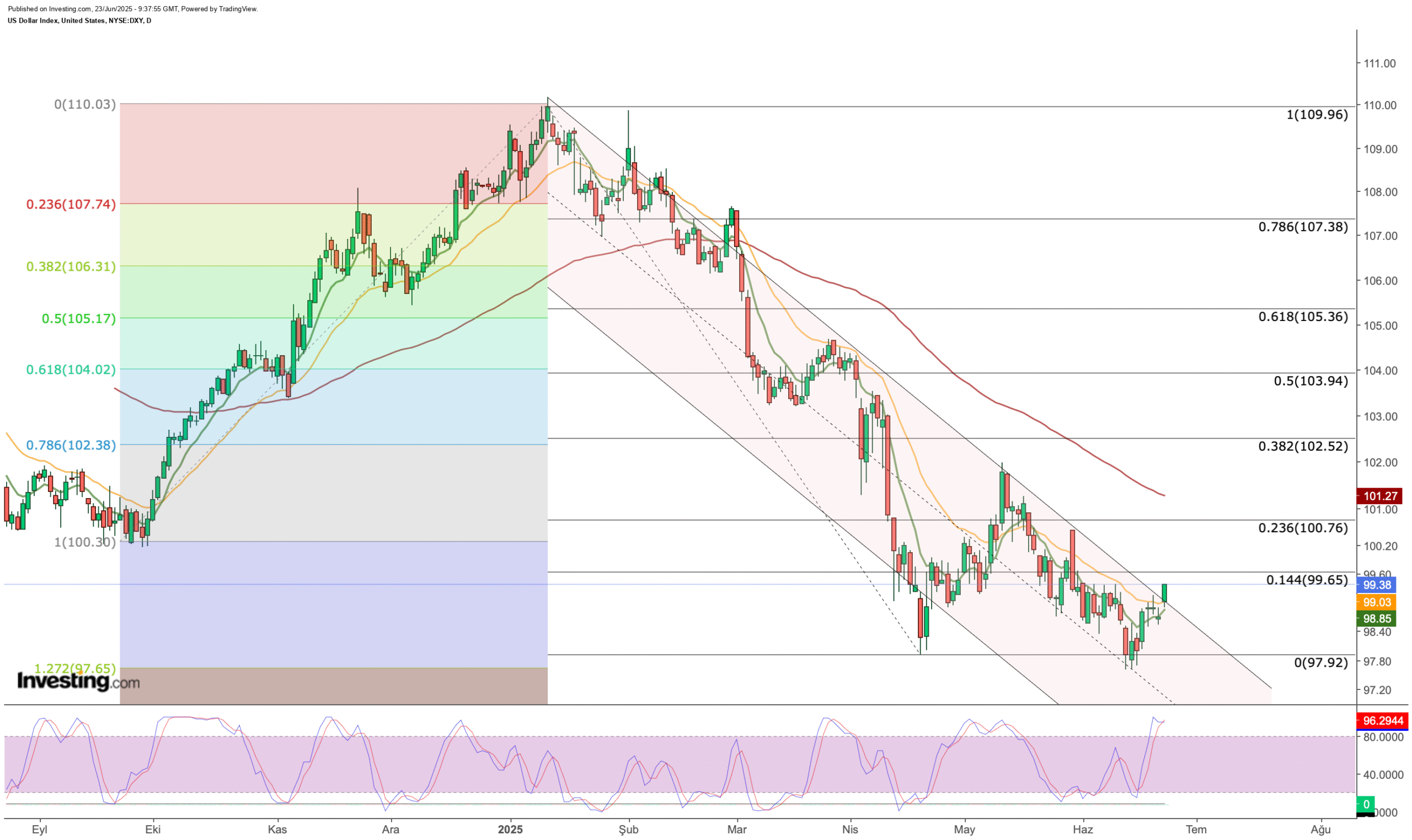
In the intricate tapestry of global finance, the value of the United States dollar occupies a pivotal position, influenced by a complex constellation of factors ranging from geopolitical tensions to shifts in economic policies. Over recent times, this dance of valuations has seen the dollar ascend, driven by an amalgamation of heightened geopolitical risks, surges in oil prices, and the anticipatory stances of monetary authorities.
The Stirring Geopolitical Landscape
A significant catalyst in this dynamic was the United States’ strategic military actions against three Iranian nuclear facilities. This operation, executed over the course of a weekend, injected a potent dose of uncertainty into the global markets, thereby spotlighting the dollar once more. Amidst fears of escalating tensions and potential reprisals, which could include targeting U.S. military bases or obstructions in the critical Strait of Hormuz, investors gravitated towards the supposed safety of the dollar. It’s worth noting that these developments unfolded in the wake of President Trump’s indication of an imminent decision regarding Iran, a statement that left many bracing for potentially drastic directions in U.S. foreign policy.
Economic Echoes and the Federal Reserve’s Balancing Act
Simultaneously, the economic terrain, particularly concerning energy, played a pivotal role. The United States, as a significant player in the global oil and liquefied natural gas markets, found its currency buoyed by rising energy prices. These price hikes not only serve to potentially improve the U.S. trade balance but also elevate the demand for dollars needed to facilitate global energy transactions.
Meanwhile, the Federal Reserve navigates a narrow path, balancing inflationary pressures against the clamour for interest rate adjustments. The central bank’s cautious stance, articulated amid rising oil prices and the spectre of heightened inflation, underscores the intricate considerations at play. This week’s release of critical economic indicators, from PMI figures to housing sales and inflation data, is keenly awaited for insights into the Fed’s forthcoming decisions.
Technical Analysis and Market Prospects
From a technical viewpoint, the Dollar Index (DXY) has exhibited resilience, attempting to reclaim ground lost over the preceding years. This resurgence sees it testing resistance near the 99.6 mark, a threshold that signifies potential for a broader trend reversal should it be decisively breached. Yet, the convergence of geopolitical apprehensions and economic debates presents a scenario where market movements could remain cautious and restrained.
As the global community watches, the outcomes of key events such as the NATO Summit in The Hague and Federal Reserve Chair Jerome Powell’s congressional testimony hold the potential to sway market sentiments and, by extension, the trajectory of the dollar. Diplomatic developments concerning Iran or signals regarding the Federal Reserve’s policy direction could significantly impact market volatility and the dollar’s standing.
In the arena of investment, such periods of uncertainty and volatility heighten the importance of informed decision-making. Platforms like InvestingPro offer a suite of tools designed to empower investors, from AI-selected stock picks to advanced analytics, providing a critical edge in navigating the complexities of the market.
Conclusion
In conclusion, the tale of the U.S. dollar at this juncture is one of cautious navigation through a geopolitical and economic labyrinth. As the world stands at these crossroads, the interplay of military actions, energy market dynamics, and monetary policy will continue to dictate the currency’s fortunes. For investors and observers alike, the unfolding chapters promise to be both intriguing and instructive, underscoring the profound interconnections that define our modern global landscape.
Disclaimer: This analysis is intended to provide informative insights and does not advocate for the purchase or sale of assets. The volatility and risk inherent in these markets require thorough individual analysis and responsibility.
