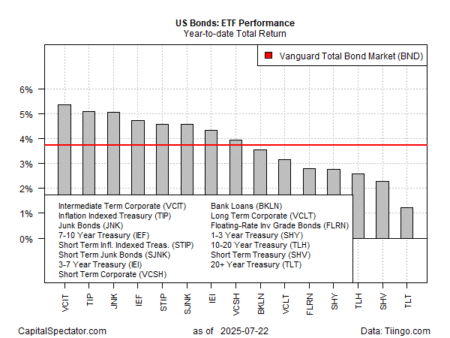
In a financial landscape often dictated by the bullish enthusiasm of investors steering towards aggressive growth, an unanticipated shift towards long-term bonds over equities and high-yield bonds (colloquially known as ‘junk bonds’) signals a pivotal turn in market sentiment. This trend points towards a cautious approach, underscored by the performance of long-term bonds which have recently outpaced both equities and their high-yielding counterparts.
This phenomenon does not align with the aspirations of bullish investors, who generally favor scenarios where equities and high-yield bonds thrive, signifying a robust, risk-on market environment. However, current indicators suggest a migration towards a risk-off stance, indicating a possible revaluation of investment strategies in light of recent developments.
The stark reality hit home with all major indices taking a downturn within a span of a week. This downtrend ranged from a 1.5% to a startling 3.5% dip, ushering in a palpable sense of caution among investors. Notably, the Russell 2000 index shed its bullish veneer, descending into a distribution phase while slipping beneath the critical 200-Day Moving Average, thus sounding alarm bells across the trading floors. The Nasdaq, alongside the S&P 500, are barely clinging to their bullish phases, albeit with diminishing momentum, a clear indicator that the winds might be changing direction.
A closer analysis exposes an unsettling trend across various sectors, with a majority showing signs of weakening – a worrying indicator potentially pointing towards an economic slowdown. Notably, the retail and transport sectors, often seen as economic bellwethers, led this descent. In stark contrast, traditional safe-haven assets such as utilities and consumer staples have bucked the trend, reinforcing the flight to safety mindset gripping the markets.
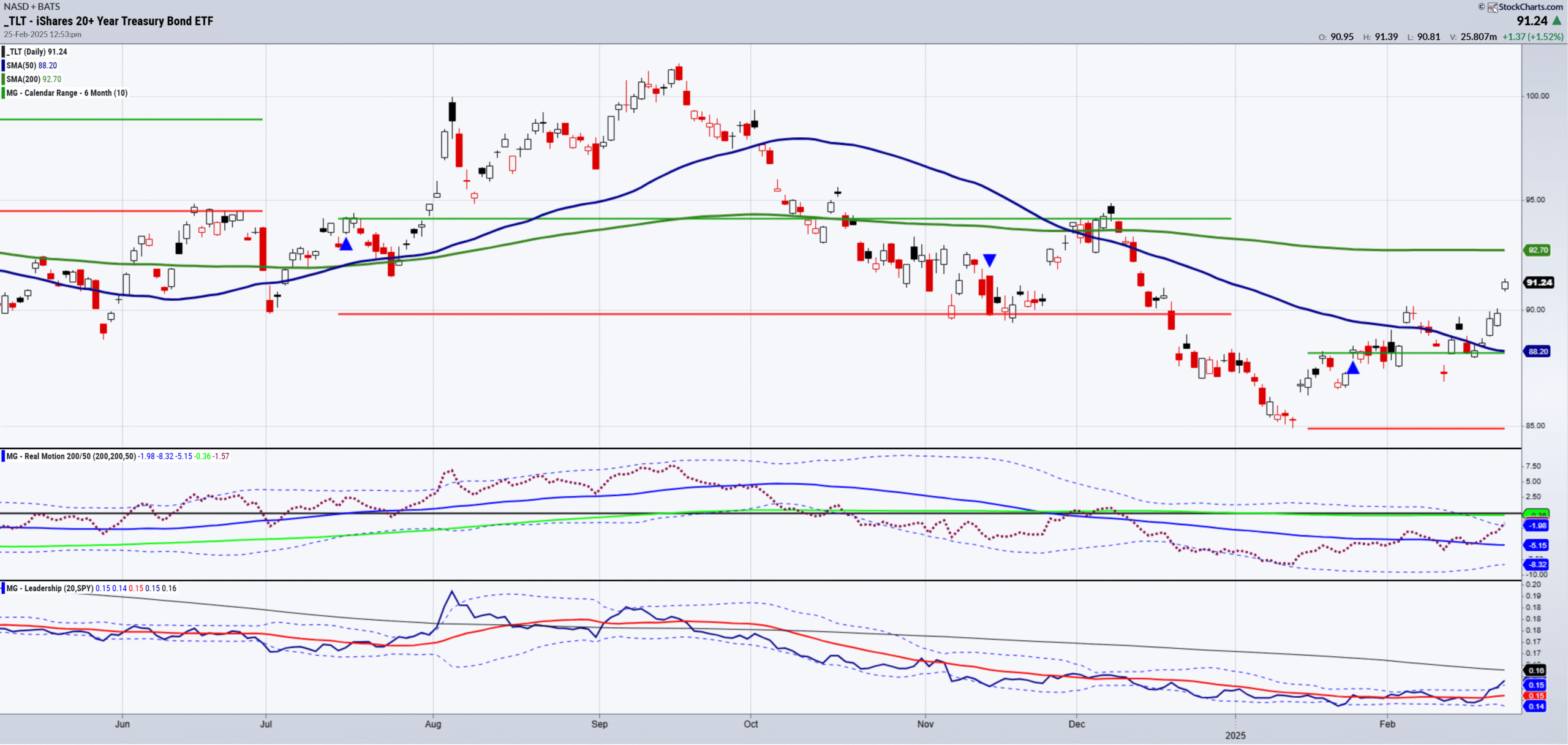
The technical indicators echo this sentiment, with the McClellan Oscillator veering into negative territory, and the new highs-to-new lows ratio signaling declining market strength. Amidst these developments, the Volatility Index has surged, reflecting heightened market anxiety. This shift became pronounced with domestic long-term bonds, particularly the iShares 20+ Year Treasury Bond ETF (TLT), showing notable resilience, thereby underscoring a collective move towards safer, more predictable investments over the unpredictable allure of equities or high-yield debt instruments.
The duel between traditional long-term bonds and their more speculative junk bond counterparts offers a fascinating study in contrast. The iShares iBoxx $ High Yield Corporate Bond ETF (HYG), representing the latter, initially presented an optimistic outlook, manifesting in a price gap increase. This divergence seems to counter the prevailing risk-off mood, suggesting underlying complexities in market dynamics. Despite the visible risk-off signals, there appears to be an underlying current of risk appetite amongst bond traders, hinting at nuanced market perceptions that may diverge from the broader indices’ trends.
This scenario unfolds amidst an unprecedented global backdrop, where markets are increasingly susceptible to geopolitical tensions, public health crises such as the COVID-19 pandemic, and shifting fiscal policies. These factors collectively contribute to the current market’s temperament; hence, a holistic understanding necessitates an appreciation of these extraneous variables.
Given these developments, a strategy of cautious optimism seems prudent. Investors are advised to navigate this intricate landscape with a discerning eye, prioritizing instruments that promise stability in these uncertain times. This also underscores the importance of seasoned traders who can parse through the noise, identifying opportunities that align with the dual objectives of minimizing risk and securing returns in a volatile market.
In conclusion, the dynamic interplay between long-term bonds and equities, set against the backdrop of a shifting global economic landscape, offers a compelling narrative of investor sentiment and market trends. As we venture further into this uncertain terrain, the value of vigilance, strategic foresight, and a nuanced understanding of market indicators cannot be overstated. The unfolding saga of long bonds versus junk bonds, and their broader implications, serve as a testament to the complexity and perpetual evolution of financial markets.